
Want to learn more about upward mobility? Explore Urban research, insights from
communities and organizations across the country using the Upward Mobility Framework, and
tools and guides for those interested in advancing upward mobility and racial equity in
communities.
Content Reference
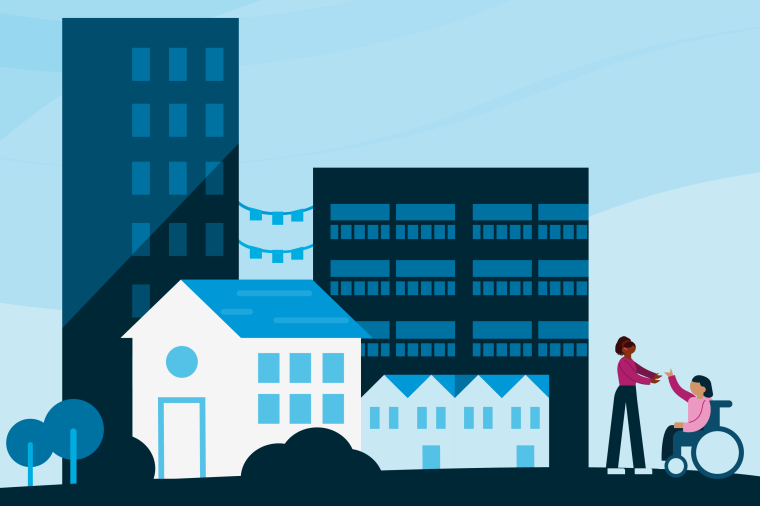
The Toolkit for Increasing Upward Mobility in Your Community offers practical guidance for local leaders who are working to advance mobility from poverty so that all residents can thrive.

New, decades-long analysis proves that public policies can improve children’s success in life by enabling them to grow up in resource-rich neighborhoods.
Display Date
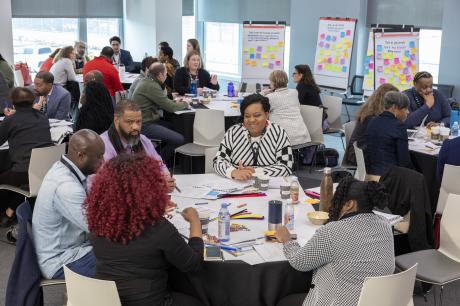
Evidence has shown that people experiencing poverty face a complex web of structural and systemic barriers that often impedes and undermines their best efforts. Addressing these barriers requires that stakeholders come together to create a comprehensive approach to advance upward mobility in their

Data can help local leaders understand the true impact of housing affordability, access to child care, opportunities for higher education, and other important drivers of upward mobility on different communities.
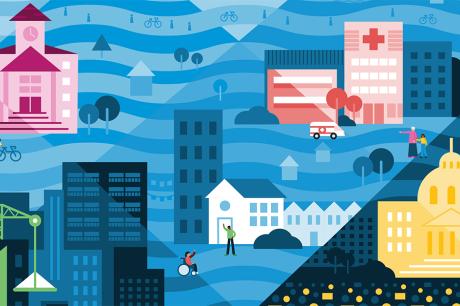
To support upward mobility from poverty, policymakers must specifically consider the unique challenges people with disabilities face when designing and implementing policies.

Community foundations are critical actors in local efforts to advance upward mobility and play a variety of roles in these initiatives.

People also need access to living wage jobs to be able to reach long-term upward mobility, or a better standard of living than the previous generation experienced
Display Date
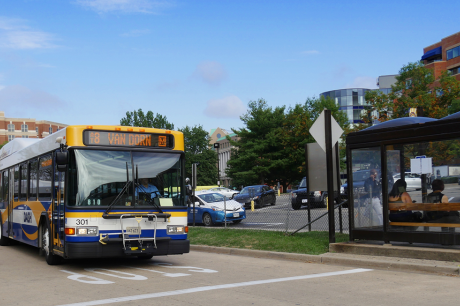
Transportation is closely linked to upward mobility, but it can be expensive and hard to access. Local leaders can look to Alexandria, Virginia, and the Upward Mobility Data Dashboard for strategies to address transportation barriers in their communities.
Display Date
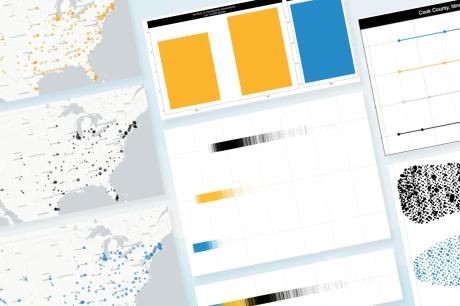
The Upward Mobility Initiative adopted six best practices to ensure the accurate construction of more than two dozen mobility metrics across 10 years for more than 3,500 counties and cities.

A large body of research shows that environmental quality is a key driver of upward economic mobility.
Display Date

To boost social connection, we first need to understand how to measure it.
Display Date

Display Date
